Activities Recommended:
- Flower
growing
-
Motions
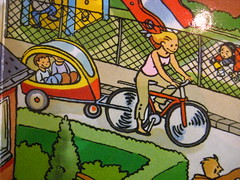
of moving forward: Rollerskating, cycling, striding etc.
-
Spontaneous
outings
-
Comedy
-
Cultivation
of Art within the inner understandings:
Through
the observation of differing periods of artistry and their work
Participation
in some free expression artform
- Homoeopathic
prescriptive for tension and muscle fatigue
Flower
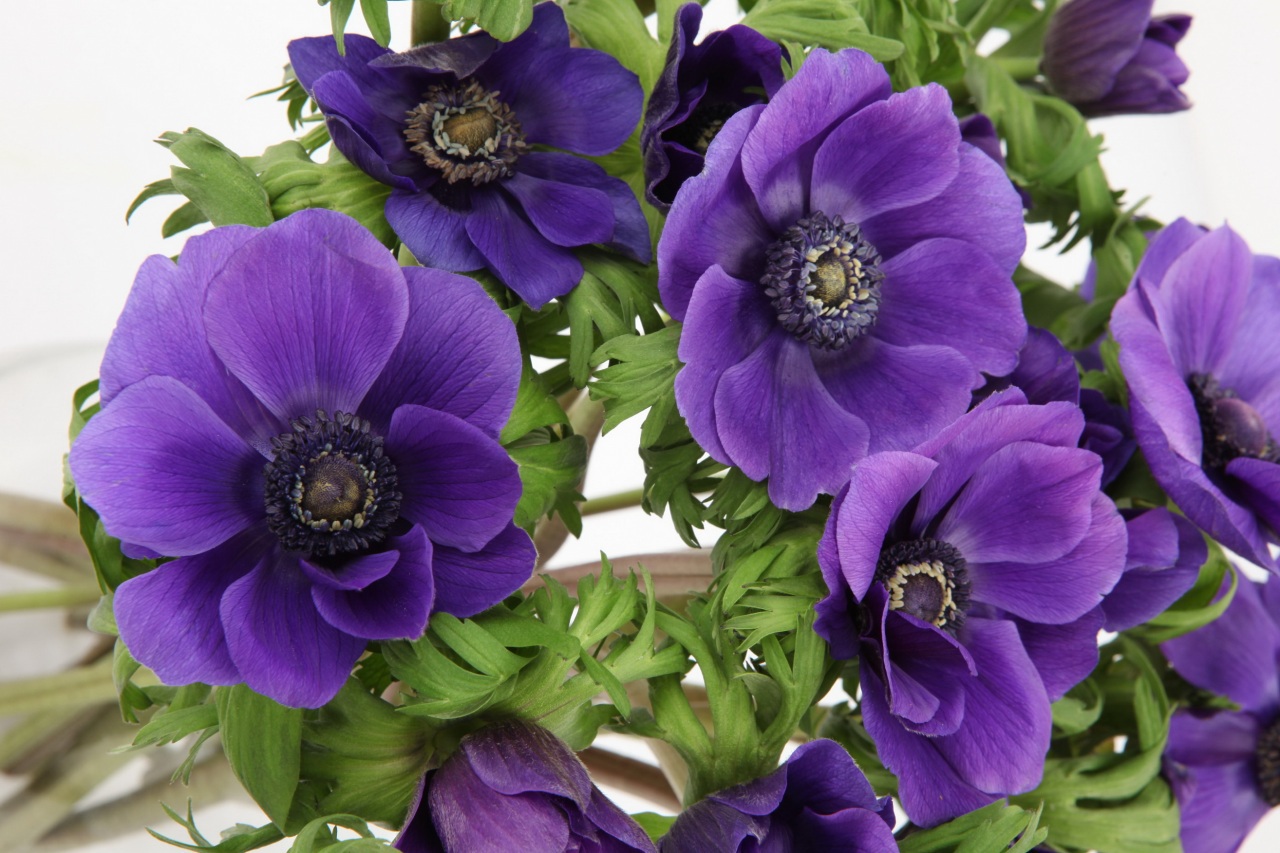
growing: There
is a certain paradox to be understood about the very nature
of the Etheric World. The life which has inspired its
life–offering properties is still as fresh and youthful (in
actuality moreso)
as when it first awakened growth within this world.
We may speak of the Etheric World in relation to memory in terms of its pre-material existence, yet the properties that comprise it are imbued with such Christly substance that are exuding new beginnings all of the time amongst the sturdy perpetuity of beingness.
What a comfort to know that the future has a durable nature supporting it. Within the last century there was much dialogue and concern about the natural world and its ability to regenerate - to survive the many interlopers – but we can say that from a spiritual perspective which knows the Etheric World to be implicated in all life manifest here in the Physical existence, the natural world burgeons up from its etheric realities which in essence are SURVIVAL itself - such life, growth, and ongoingness that their existence is never threatened by anything the physical world can lay cause to. Species may sweep in and out of global representation but the parent life from which they spring out from will always remain very much alive and flourishing.
The action of both ageing and death are imbibed in our very thinking because of our experience here in the physical world. Nonetheless, even this shall eventually change in accordance with the supporting principle.
This is an important distinction: that we are not contemplating such a place of the past which ordinarily would be retrogressive to revisit. Untainted and untouched, this realm exists somewhat independent to the impressions of Time and of our usage. This is a pure place, one which is unrestricted and impervious to disease and to the sin and corruption that can follow.
So
when we grow flowers, we can rejoice in the existence of their (and
our) parent realm. We can plant with a happy anticipation, we can
marvel at the bud and the blossom to come; and for the sake of beauty
alone may we attend their precious growth.
Trees
can be very ancient, having memories which belong to a whole
community of nature-spirits as well as themselves. A tree can hold
properties alongside their column-like dignity that corresponds to
the winds and the rains and the birds and the insects and then even
also the planets above. Although they live in a sleep-dreamy annuity
our beloved forest folk gather in wisdoms which still hold to their
pasts encountered … whereas the flower kingdom arises with a
typically elemental-naïve consciousness, ever surprised and
delighted and quite innocent to each new moment.
They
bring to the world those properties in the Etheric realm which are
purely of the new futures to come and we may experience this from
them in the meditation of their presence and in the cultivating of
their happy and wholesome forms.
Whenever
we take up a physical activity, the very action and demonstration of
that activity speaks inwardly to us. We can recreate many expressions
within ourselves by the gesture or activity subscribed to. This does
not only relate to moderate interpretations of body language (which
can and do assume also their representation by their employment) but
also such larger movements that are signature to an expression of
being.

When
people clap their hands, for example, they are immediately
discharging the surge of forces which have been summoned by their
enthusiasms just prior. We can recall the atmosphere charged by an
applauding crowd that appears to give over much strength to the
performers or speakers who have earned the enlivening response.
Children
will instinctively clap their hands also, in rapture, in joy, with
great exuberance. And so, even when we clap our hands for no
particular reason, we may not have the excessive vitalities there to
release, but what we may experience is the inner motion (the inner
language) of this affirmative position.
When
the hands are clasped together palm to palm in prayer, the meridians
to the heart through the palms are sealed in a complete circuit. This
is the perfect position for an individual to become undisturbed by
the influences around him for his period of inner consultation. Where
the fingers meet there are balancing influences apparent (the tips of
the fingers emanate actively and passively characteristic streams of
function: see “The Rosary”).
So here we find that the individual is harmoniously contained and
the vitalities are transmuted into a higher obeisance. The forces are
redirected into a circulatory journey that travels around to the
heart and up through its portal in the prayer … rather than
actively discharging out through the hands in an action of will.
But when the hands meet together in the explosive collision of a clap,
there is a statement of the heart going out
into the world … an affirmation of that ‘something out
there’ which
has attracted this response and brought much inspiration within, that
now seeks to return to its source.
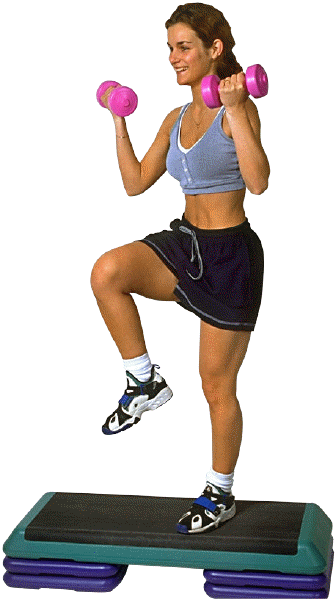
Now,
considering those activities which take us in a pronounced
forward motion,
such as walking or running somewhere, there is a deliberate action
within that will correspond to the advancing without. The will is
driving us forward with this determined walk and we are,
concurrently, approaching the future faster than it approaches us …
taking it upon our own selves to go forward, to go towards. This is
an action which invokes an inner action that is affirmative of that
future that we stride or run into. (Note: Activities such as skiing
are not in this category, as the downhill propulsion goes against the
act of the will directing the movement with purpose … it runs
contrary to the example above.)
Spontaneous outings give
over to a yet higher deliberation: one which says – “this
day is my
day! This moment is my moment! And I
choose to be free of my otherwise tasks to explore something hitherto
unplanned, with happy anticipation!”
Anticipation
itself invites much new life into us. Just as the spontaneous outing
proves – that we can understand that one doesn’t have to grasp
the great detail ahead of time of that which is enjoyably anticipated
to savour the expectations. It is the sensation of the liveliness
which accompanies the spiralling thoughts,
and that liveliness adds to the exuberation later which shall take
the happy wanderer through the hills and meadows of his findings.
The artist
shares in this ‘anticipatory unknowingness’.
He is prepared to submit to the unplanned moment – invoking the
imaginative awareness so that it may keenly implicate the task before
him. We may sense this from the products of his outcome. We may feel
the startle or the surprise that he himself may have encountered
along the way, within this experience.
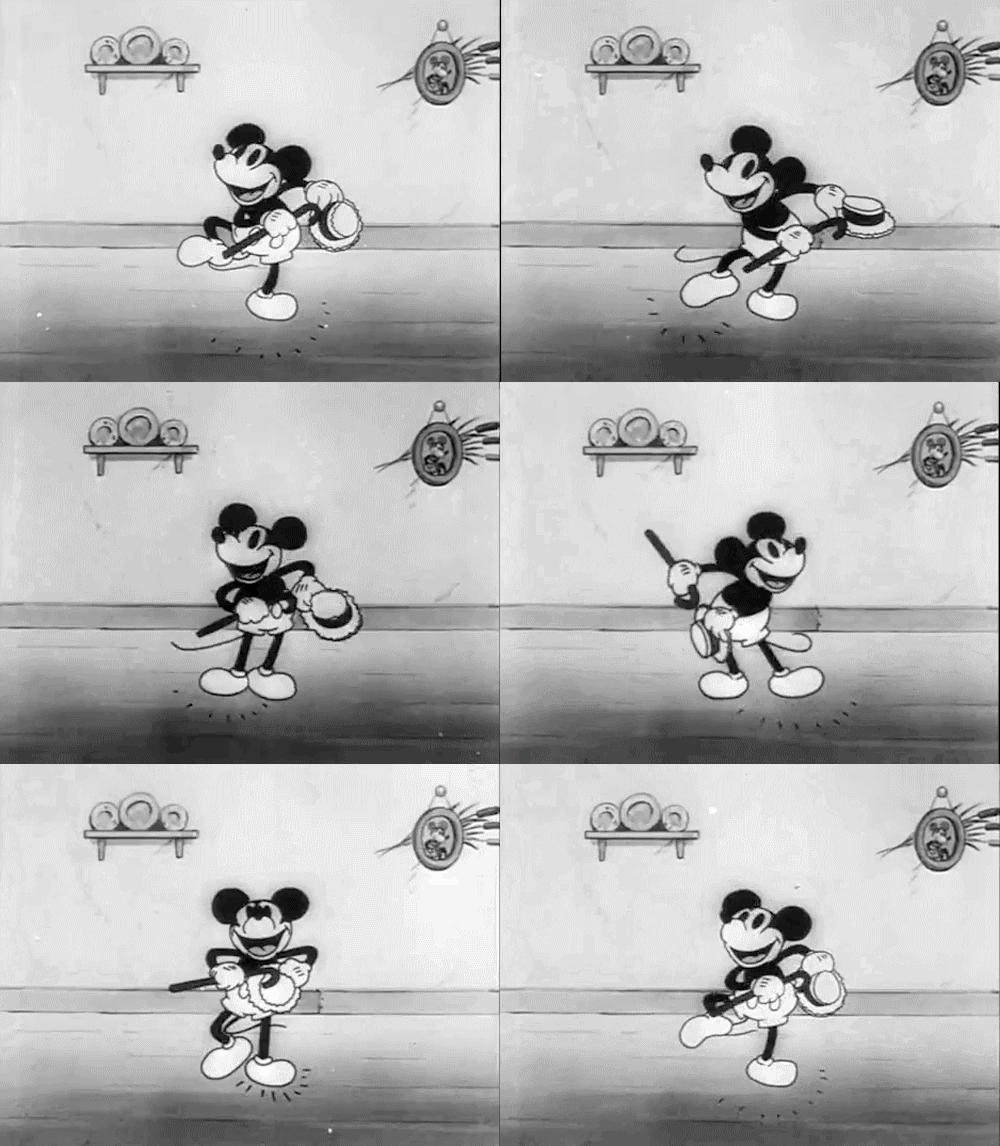
Comedy
surprises us also and invokes this sense experience of ‘anticipatory
unknowingness’ as well. If you observe folks who have been
partaking in good comedy (not ‘black’ or bleak comedy that
defiles its subjects as it goes along) the attitude aforehand is very
much awakened to the predisposition
– being open and in anticipation of yet another laugh.
And
interestingly enough there is always a certain disappointment which
is apparent when the episode has finished, and there are no more
unusual turns and comical quips to further expect. The primary
experience of enjoyment here comes, in itself, from the lively
position of this anticipation. The surprise finding of the funny
which closes the joke can be enlivening also, if it is free yet in
keeping with the natural context … however, what we have smiled
about, been enthused and attentive with moreover, is that of our own
precondition and our freedom to participate.
When we
come to make a study of
Art through the Ages we
may feel such a freedom emanating out from the canvas or the prose.
Most art does not strive to become photographically correct in that
which it portrays, it seeks to communicate the inner realities which
attribute aspects to form and color that are sensed inherently, and
known within.
Such an
ability to know the
esoteric qualities of something or someone arises out from our own
personal freedoms within the ego. This is not a matter of becoming
relaxed (and therefore unguarded) as to various influences
indiscriminately around us – nor that we are to be coerced into an
identity which is not profoundly that of our own … yet,
paradoxically it is a regard for the living nature within us which
refuses to atrophy, that part of ourselves which is awakened with
wonder afresh and anew – learning over and over – and excitedly
so, hearkening to its yearnings and illustrations of soul.
If we
examine and contrast the many beautiful works from differing eras we
may come to recognize certain periods we have known also – eyes we
have looked through – perceptions perceived – that live in the
psyche today within us. We are composite of all past thought and
experience collectively. Each individual enjoys reference to the
communal experience of humanity – and the artists, through their
imaginative documentation, have heralded advancements and changes in
overall perspective, in processes of thinking, and of being.
From their work we may gain impressions and insights of this
happening.
To
contemplate a creative expression invites us to divine that era and
that experience within our own soul’s gallery. From this we can not
only realise that distinction, but find also our community of
experience – which goes on to teach us that for every endeavour we
ourselves attempt and complete, humanity is enhanced and is sharing
in the qualities.
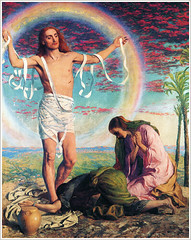
_on_the_Dead_Sea,_Edward_Lear,_1858.jpg)
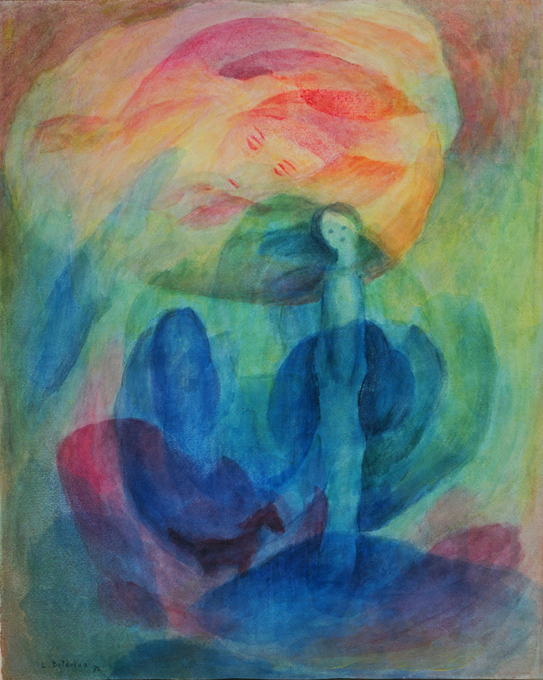
Participating in free art forms
has long been a prescription curative for melancholy. Whilst it is true
that many an unusual artist has also been a depressive, it is still
truer to add that much of their working would have alleviated that
condition and brought them the more happier moments of their life
through their creativity.
It is important to recognize the
liberality of this expression – especially in that self-criticism at the
outset may thwart our attempts to venture into the imaginative realms
and report our findings. It goes without saying that fine art holds an
aura most holy, however we need not attempt to create something which is
beyond our skill or development and then be deflated because it is less
than what was unrealistically hoped for.
In this sense we can
differentiate our objectives, and firstly be content in attempting the
creative expression with a raw and unfashioned presence. In this way the
criticisms will not prevail over our initial strivings and the
imaginative process may be given free licence to ‘sense out’ that which
intrigues it and commits it to recall.
The imaginations not only
deliver extrasensory perceptions to us, they also embody a further
innate understanding of those things we perceive- an inner window into
their very nature and heritage if you like. Such imaginative faculties
are true clairvoyance … being more comprehensive and interpretative of
that which has been extrasensorily observed.

Just as one may see images in this world, yet not see with any great detail or understanding that which is before them, psychic experience may lead men to experience, but that does not necessarily denote that they are able or equipped to interpret, to understand that which they perceived. It is with this element of artistic observation that we may go on to achieve this – to imaginatively sense the inner natures and so translate them further into a soul’s perspective, whilst also being practiced in the precondition of ‘anticipatory unknowingness’ in order that we may come freshly to our subject and understand it personally as it presents to us.
Our creative attempts within this world shall carry over to our spiritual perspectives as we journey along – having more significance in that condition, being immediately apparent, as the spiritual worlds require this very process simply for their passage.
One more additive: A keynote to this predisposition to the imaginative forces is that of HUMILITY. Arrogance blocks men from true spiritual perception because it is eventually confining them to the limitations of their own self’s experience.
It requires a humble undertaking to begin to venture into the creative unknown – not a suppression of self, but rather an apportioning of self. Arrogance is suppressing by nature, not only to those outside of the arrogant but also to the self inside, for it assumes a stifling self-sufficiency, disallowing the individual to enjoy and assimilate the possibilities amongst his freedoms. New thought, new hope, new perceptions become painful, and as a result from this incapacity the individual will eventually refuse life itself because life’s offerings of newness will upset his defined ‘stability’ of self.
To apportion oneself correctly is to come to find certainty not in an unreal expectation of our own self’s competency, but rather in that of our beloved Father God. In this we can safely admit our own deficiencies, whilst also welcoming them (relative to the creative unknowingness), for it is through Him that we do meet and share minds with all other beings, and through Him this may truly become creative.